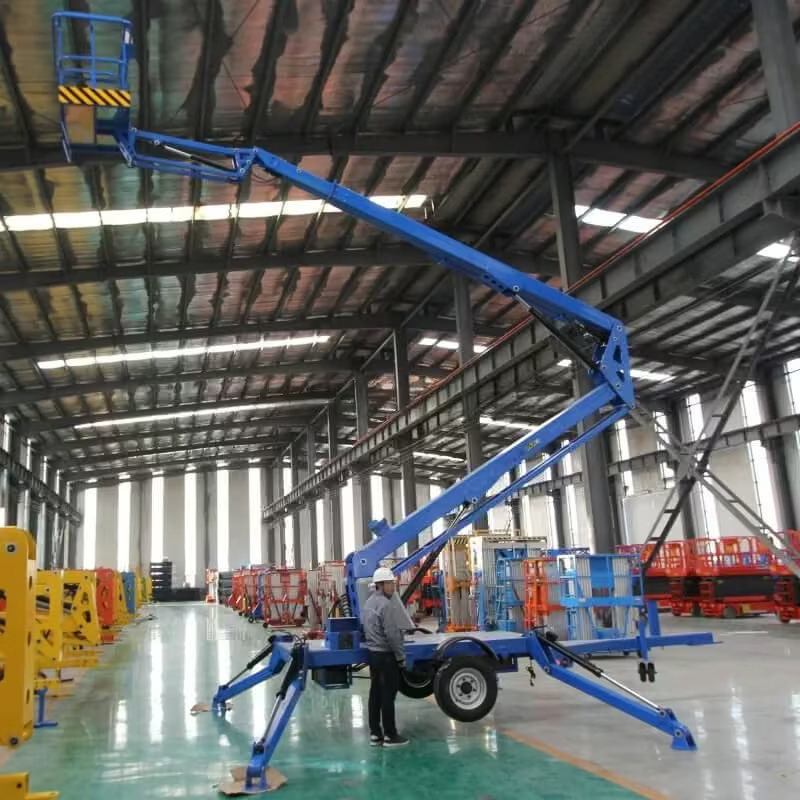
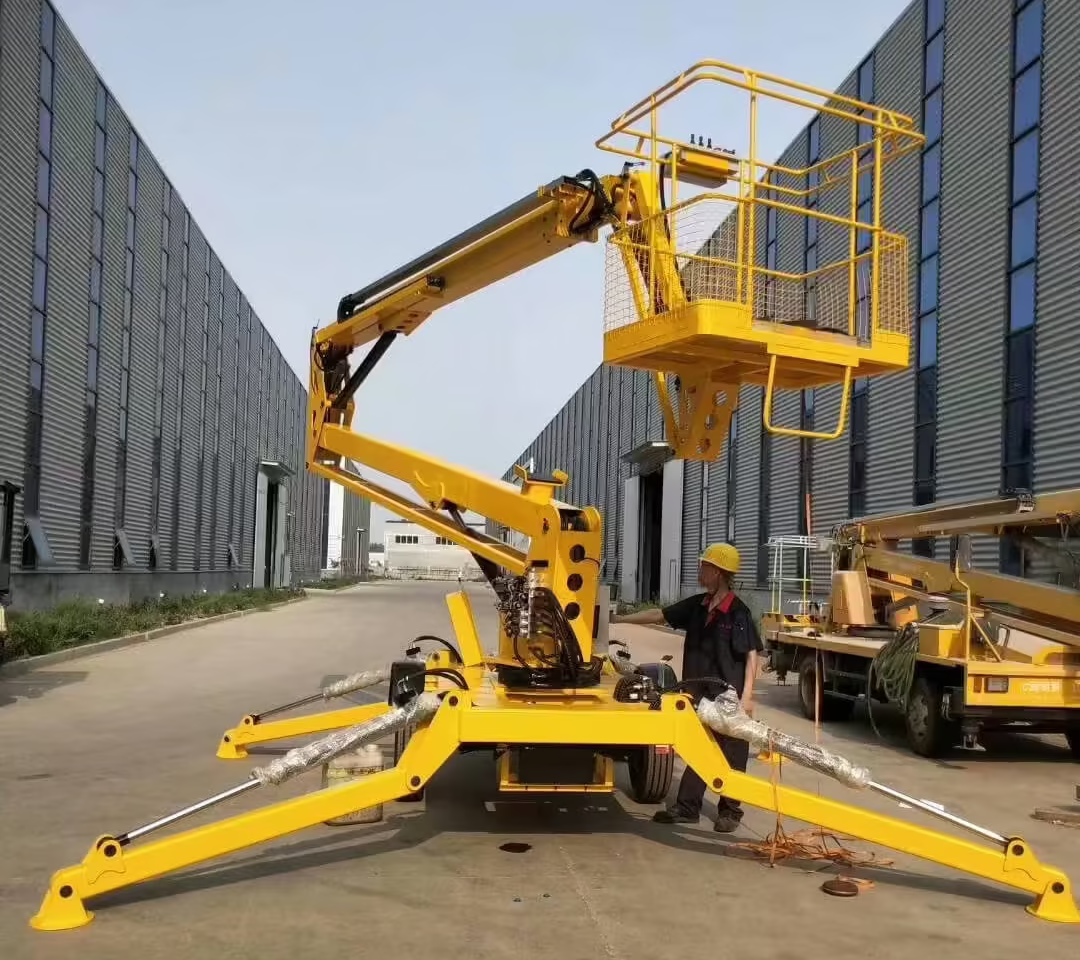
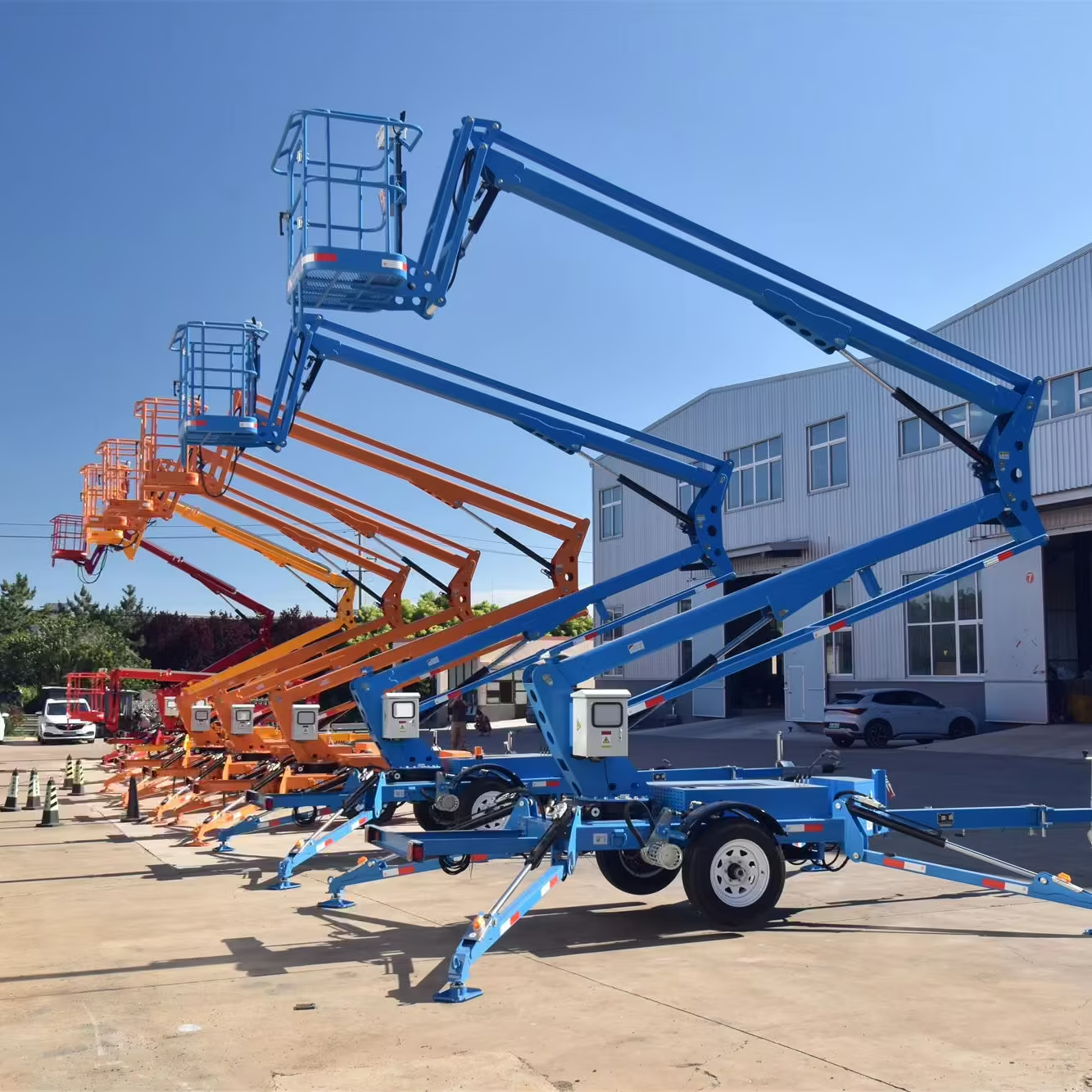
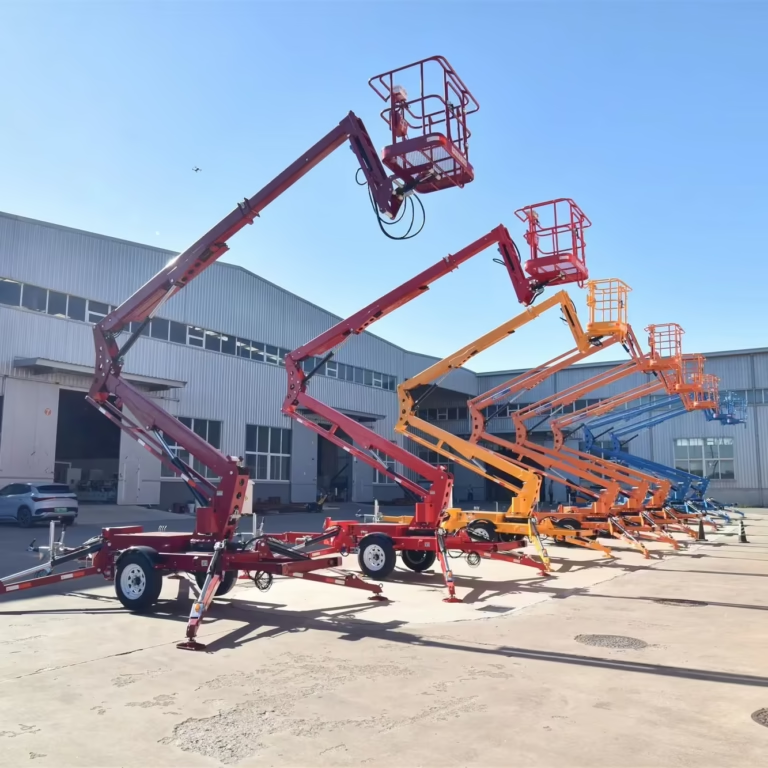
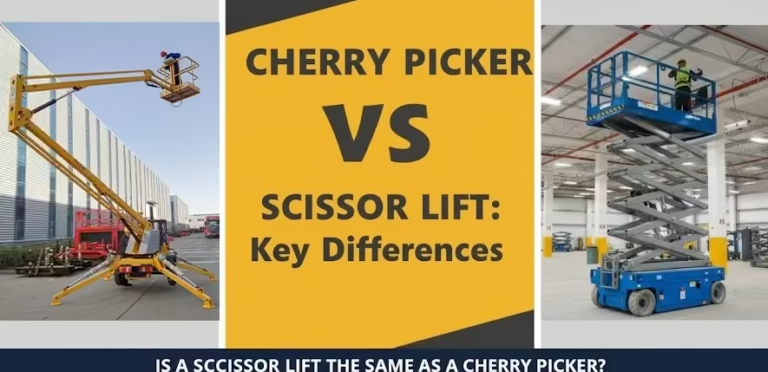
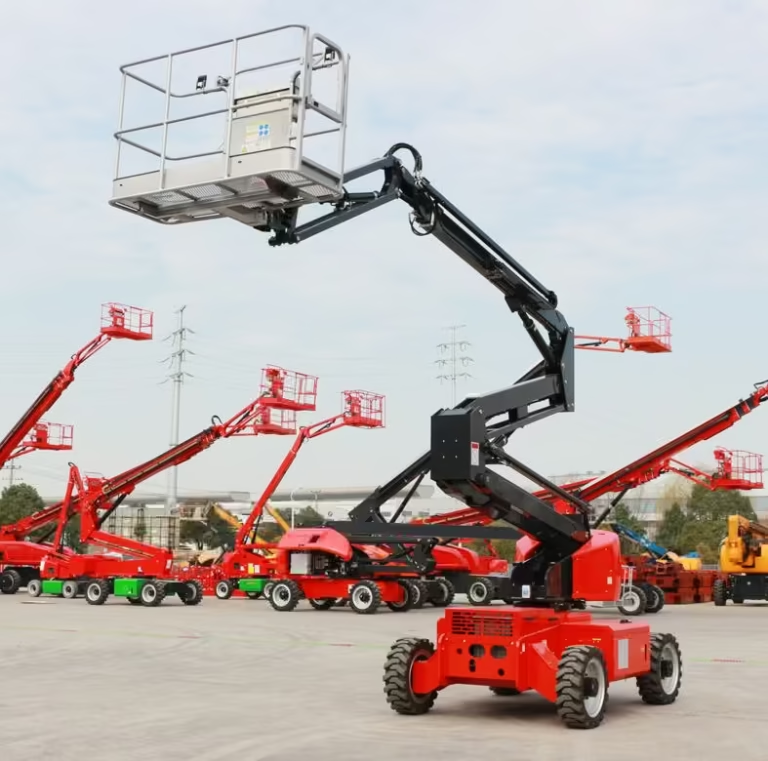
Before you even touch the controls, remember: operating a Cherry Picker (Boom Lift/MEWP) requires formal, certified training. Never attempt to use this equipment without the correct training and familiarization with the specific model’s controls and load chart.
Once certified, follow this essential five-step process for safe and successful aerial work.
2. Step 1: Pre-Operation Inspection (The Walkaround)
A thorough check of the lift before every use is crucial—don’t skip this!
Tires and Wheels: Check tire pressure and inspect for damage. Ensure the wheels or tracks are in good condition.
Fluid Levels: Verify hydraulic fluid and fuel/battery levels. For electric models, check the intelligent battery monitoring display to ensure sufficient power for the job.
Controls and Safety Features: Test all controls (steering, lift, rotate) from the ground control panel first. Verify that the emergency stop buttons (at the base and the platform) are working.
Structural Integrity: Visually inspect the boom arm, platform rails, chains, and hydraulic hoses for any leaks, cracks, or damage.
3. Step 2: Site Assessment and Positioning
The ground condition is the foundation of your safety.
Check Ground Levelness: Ensure the ground beneath the lift is firm and level. If the machine is equipped with a Level Sensor, it will monitor the tilt in real time and automatically shut down lifting if the tilt exceeds the safety limit (e.g., 3∘).
Identify Hazards: Look for overhead power lines, low-hanging pipes, and underground utility covers. Keep a safe distance from power lines—always check local regulations.
Set Up: Drive the lift to your desired starting position. If using a trailer-mounted model, deploy the outriggers/stabilizers according to the manufacturer’s instructions to ensure maximum stability.
4. Step 3: Platform Entry and Personal Safety
Your safety starts the moment you step into the basket.
Secure Entry: Use the designated access gate or ladder. Always close and latch the gate securely once inside.
Harness Up: Wear the required personal protective equipment (PPE), which always includes a safety harness and lanyard. Securely attach the lanyard to the designated anchor point inside the platform.
Load Check: Calculate the combined weight of yourself, any co-worker, and all tools. Verify that this total weight is below the machine’s capacity limit as posted on the load chart.
5. Step 4: Operating the Controls (The Ascent)
This is where the operation of the boom begins, guided by intuitive controls:
Start/Enable: Activate the machine using the key (if applicable) and typically press a foot switch or enable button to engage the hydraulic functions.
Dual Joystick Control: On many modern models, lifting and maneuvering are done using dual joysticks. Typically, one stick controls the platform lift and rotation, while the other controls the boom extension and luffing (articulation).
Smooth Motion: Use slow, smooth, proportional movements. Avoid rapid starts or stops.
Adjusting Reach: When using an Articulating Lift, use the joints to go “up and over” obstacles. When using a Telescopic Lift, extend the straight arm directly to your work area.
Tilt Monitoring: Keep an eye on the Tilt Sensor or boom angle display to ensure the boom remains within its safe operating envelope while extended.
6. Step 5: High-Level Safety and Descent
While working at height, always prioritize your well-being.
Safe Descent: When finished, retract the boom slowly and smoothly, paying attention to the machine’s center of gravity. Once fully lowered, exit the platform, secure the machine, and lock the controls.
Keep Clear: Maintain a safe distance from overhead obstacles and always look where the boom is moving.
No Climbing:Never climb onto the guardrails or use ladders/items inside the basket to gain extra height.
Ground Backup: Always have a trained person nearby who is familiar with the Bottom Control Panel. In case of platform failure, the ground operator can safely lower you.